
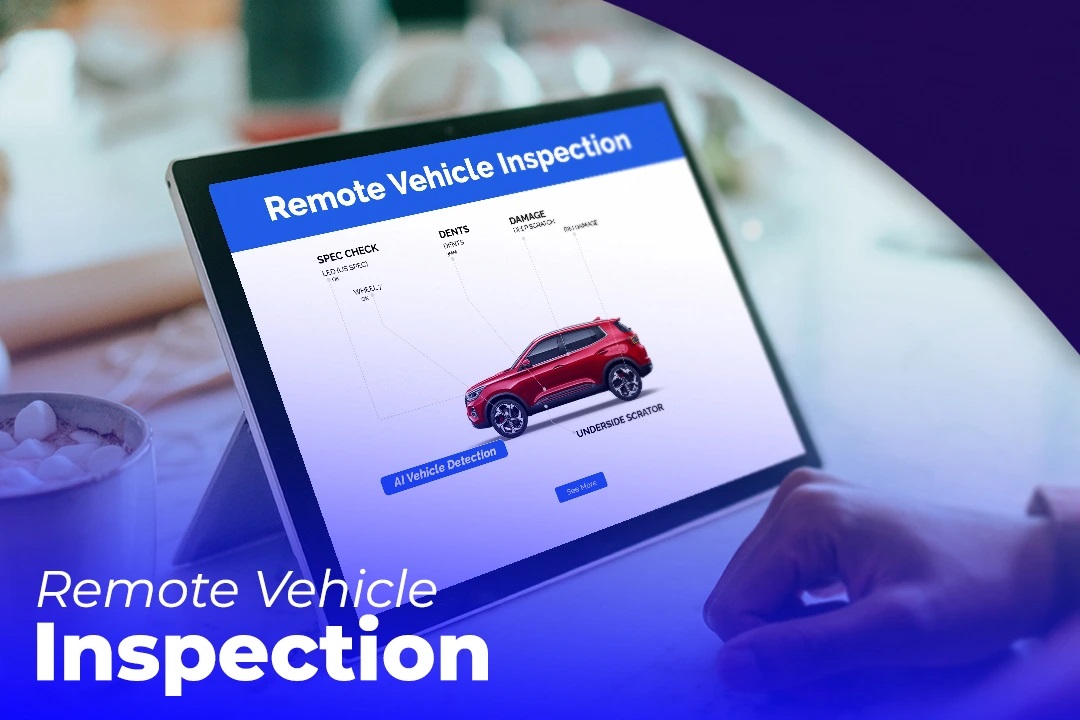
The method vehicles are examined is changing rapidly. For decades, inspections were conducted independently, requiring the physical vicinity of an inspector, machinist, or adjuster. But accompanying the rise of mobile science and artificial intelligence, virtual vehicle inspections have arisen as a modern alternative.
This article investigates a complete comparison between the best virtual inspection tools and traditional inspections to help you understand which alternative best suits different needs.
What Are Traditional Vehicle Inspections?
Traditional inspections include a certified expert physically examining the instrument. The process includes hindering the exterior, interior, mechanical parts, and safety features. This arrangement is commonly used for insurance claims, pre-purchase evaluations, and fleet support.
Pros of Traditional Inspections:
- Comprehensive, hands-on judgment
- Ability to test mechanical accomplishment directly
- Widely established for legal or supervisory purposes.
Cons of Traditional Inspections:
- Higher costs on account of labor and logistics
- Limited elasticity for remote or important needs
What Are Virtual Vehicle Inspections?
Virtual inspections use digital finishes such as smartphones, apps, and AI to by chance assess a tool’s condition. Owners capture photos or videos of the car and upload them to a platform, place AI and/or human inspectors review the data. This approach is widely selected by insurers, rental organizations, and dealerships for convenience and speed.
Pros of Virtual Inspections:
- Quick and available (can be finished anywhere, period)
- Cost-effective with reduced travel and staffing needs
- Enhanced transparency with electronic records
- Scalable for businesses directing large fleets
Cons of Virtual Inspections:
- Dependent on photo/broadcast quality and consumer compliance
- Limited ability to evaluate mechanical conduct directly
- May not continually be accepted for official supervisory purposes
Key Comparison Areas
1. Accuracy
· Traditional:
More reliable for detecting machine-like issues and hidden damage.
· Virtual:
Accurate for optical assessments but relies heavily on technology and consumer accuracy.
2. Cost and Efficiency
· Traditional:
More expensive on account of the inspector’s travel, labor, and occasion.
· Virtual:
More cost-efficient, especially for extreme-volume inspections like fleet administration or insurance claims.
3. Use Cases
· Traditional:
Best for supervisory checks, mechanical analysis, and high-advantage transactions.
· Virtual:
Ideal for protection claims, rental auto documentation, used convertible sales, and routine fleet estimates.
Which Is Better?
The choice between virtual and traditional inspections depends on the purpose. If the aim is to document a car’s exterior and interior condition quickly and cost-efficiently, virtual inspections are the clear winner. However, when an all-encompassing mechanical judgment is required—such as restraining engine conduct, brake systems, or diffusions compliance—established inspections remain necessary.
Conclusion
Virtual vehicle inspections and traditional inspections both play essential roles in today’s automotive environment. Virtual methods produce unmatched speed, approachability, and scalability, making them ideal for insurers, dealerships, and fleet managers.
Meanwhile, usual inspections provide wisdom and precision for mechanical and supervisory needs. Together, they form a complementary arrangement that ensures taxis are assessed capably while maintaining dependability and trust.