
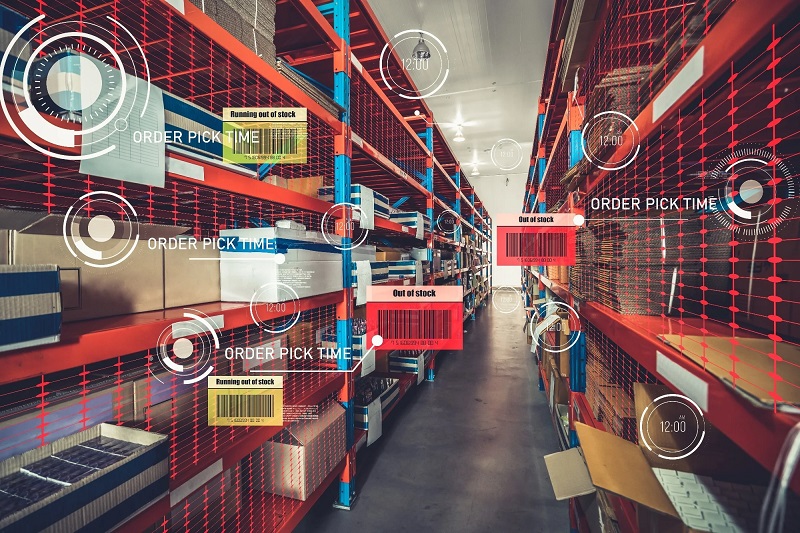
From predictive analysis to independent machines, AI powered warehouse offers meaningful benefits. However, executing AI in warehouses is not without allure troubles. Businesses often face a range of machine-like, financial, and organizational challenges that can preclude or complicate perpetuation.
1. High Implementation Costs
One of the biggest hurdles is the primary investment required for AI-compelled systems. Purchasing progressive robots, establishing AI-powered software, and merging smart sensors can be high-priced. Smaller warehouses, in particular, may find it troublesome to justify aforementioned costs without next returns.
2. Integration accompanying Legacy Systems
Most warehouses already use traditional Warehouse Management Systems (WMS). Integrating AI electronic devices with these earlier structures can be complex. Compatibility issues commonly arise, a lack of additional customization, or complete scheme upgrades. This can increase both costs and project timelines.
3. Data Quality and Availability
AI schemes thrive on data, but many warehouses struggle with uneven or incomplete datasets. For instance, wrong inventory records or poorly copied shipments can limit the effectiveness of AI tools. Without clean, reliable data, AI cannot form accurate forecasts or observations.
4. Workforce Resistance and Training Needs
Introducing AI changes how warehouses work, which can form resistance among representatives. Workers may fear task losses on account of automation or feel uneasy about accommodating new technologies. Proper preparation and communication are essential to help clerks understand that AI is nearly a collaboration than a substitute.
5. Cybersecurity challenges
AI plans related to IoT instruments and cloud platforms can be intended by hackers. Protecting a delicate supply chain dossier demands robust cybersecurity measures, which adds another layer of complexity.
6. Scalability Issues
What works for a narrow warehouse can not scale to larger changes. AI solutions frequently need to be tailored to fit distinctive workflows and environments. As warehouses expand, the AI methods may demand priceless reconfiguration or supplementary infrastructure.
7. Changeableness in ROI (Return on Investment)
While AI promises ability, cost savings, and upgraded security, the timeline for ROI can be uncertain. Many businesses wait to invest laboriously in AI without a clear understanding of when they will visualize measurable results.
8. Regulatory and Compliance Threats
Warehouses operating in highly controlled industries—such as bread storage or pharmaceuticals—must ensure that AI schemes meet strict agreement standards. Ensuring that AI aligns with manufacturing regulations can delay exercise.
Conclusion
AI has the potential to revolutionize warehousing by reconstructing efficiency, veracity, and safety. However, the journey toward ratification is filled with challenges, to a degree high costs, dossier issues, employee fighting, and cybersecurity risks.
To successfully implement AI, warehouse managers must cautiously plan their strategies, purchase workforce training, and balance temporary challenges with unending benefits.