
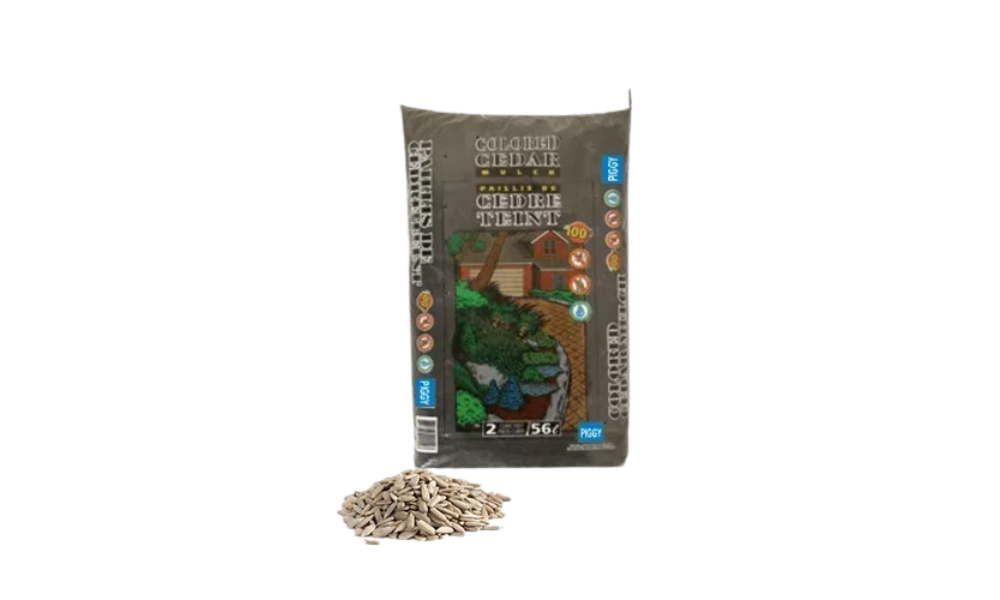
In the agricultural industry, where efficiency, durability, and cost-effectiveness are key, having the right packaging solutions is essential. One such solution that plays a vital but often overlooked role is the agricultural bag. These specialized bags are designed to store, protect, and transport a wide variety of farm products — from seeds and grains to fertilizers and animal feed. Their reliability helps farmers and agribusinesses reduce waste, maintain quality, and improve operations.
What Are Agricultural Bags?
Agricultural bags are heavy-duty packaging materials used in farming and agribusiness to store and ship products such as crops, produce, chemicals, and soil additives. They come in a wide range of sizes, materials, and styles to suit different needs. Common types include woven polypropylene bags, burlap sacks, paper bags, and multi-wall poly bags. Many are designed to withstand harsh weather conditions, UV exposure, and rough handling.
Some agricultural bags are also customizable with logos, product information, or color coding, allowing farmers and suppliers to improve inventory management and promote their brands.
Key Uses of Agricultural Bags
-
Seed and Grain Storage:
Seeds, corn, wheat, soybeans, and rice are commonly stored and shipped in breathable woven polypropylene bags. This help reduce moisture buildup, protect against pests, and prevent mold growth.
-
Fertilizer and Soil Additives:
Heavy-duty plastic or laminated paper bags are used to package fertilizers, lime, and other soil enhancers. These bags are designed to prevent leakage and keep the contents dry and safe.
-
Animal Feed Packaging:
Animal feed must be protected from contamination and spoilage. Agricultural bags made from moisture-resistant materials help maintain feed quality and shelf life, even in humid conditions.
-
Produce Transport:
Fruits, vegetables, and root crops such as potatoes and onions are often packed in mesh or burlap bags. These allow air circulation and prevent the buildup of moisture, reducing the risk of spoilage during transport.
Benefits of Using Agricultural Bags
Durability:
Agricultural bags are built to endure heavy weights, long storage times, and tough outdoor conditions, making them ideal for rugged farming environments.
Cost-Effective:
With their reusability and long lifespan, agricultural bags offer a low-cost solution for farm packaging needs. Bulk purchasing options also help keep costs down.
Eco-Friendly Options:
Many agricultural bags are now made from recyclable or biodegradable materials, allowing farms to reduce their environmental impact and meet sustainability goals.
Customizable:
From printed branding to color coding for crop type or batch number, custom agricultural bags help improve organization and traceability across the supply chain.
Conclusion
Agricultural bags are a small yet powerful part of the modern farming toolkit. They support food safety, product quality, and operational efficiency — all while protecting valuable farm inputs and outputs. Whether you run a small family farm or a large-scale agribusiness, choosing the right agricultural bags can help streamline your operations and protect your bottom line. Investing in the right packaging solutions ensures that the fruits of your labor are well-preserved from field to market.