
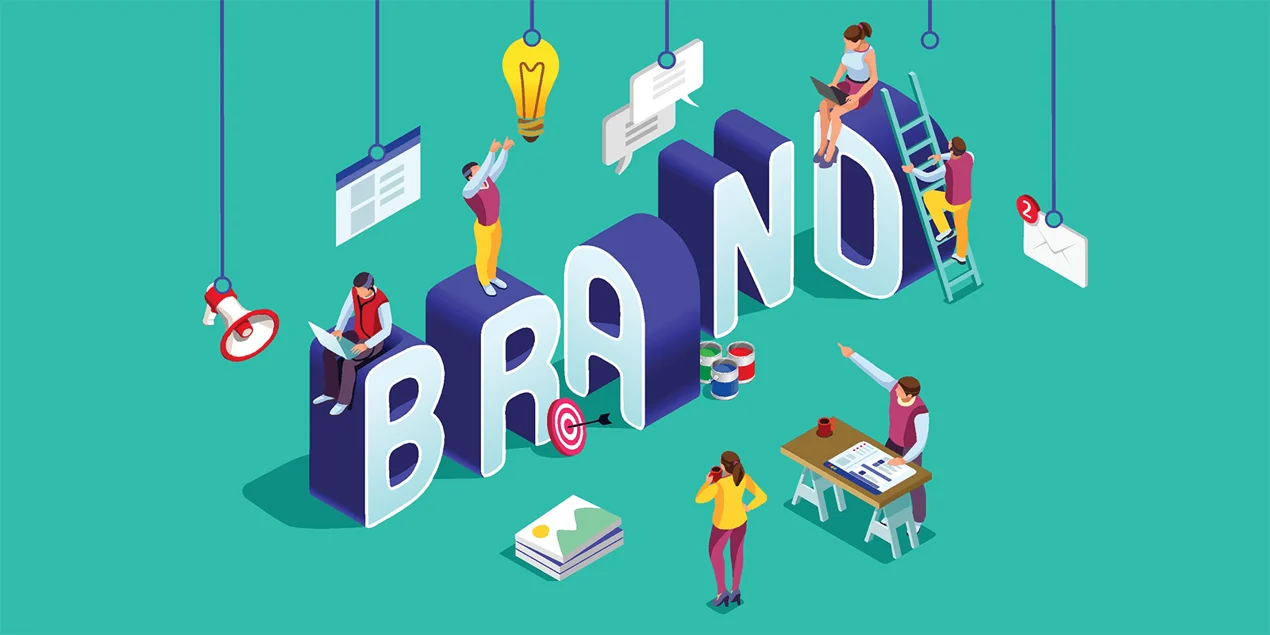
Before a word is read, a feeling is felt. That is the main role of typography. When a potential customer first interacts with a brand—on a website, social media ad, or product package—the typography used communicates mood, tone, and personality instantly. Whether it is a sleek sans-serif conveying innovation or an elegant serif expressing tradition, the style of the typeface influences how the brand is perceived within seconds.
Typography is not just about readability; it is about setting the emotional stage for a brand.
Aligning Typography with Brand Values
Once a brand defines its values—such as being bold, playful, minimalist, or luxurious—those attributes need to be visually expressed. Typography becomes the visual language that translates these abstract qualities into a consistent brand identity.
- A tech startup may opt for geometric sans serifs that signal modernity and efficiency.
- A luxury fashion label might choose a refined serif typeface to evoke sophistication.
- A children’s brand could go for rounded, soft fonts that convey friendliness and fun.
The font’s weight, spacing, and style must all align with the brand’s tone. This ensures the message feels consistent across all touchpoints, from the logo to the fine print.
Creating Visual Hierarchy and Brand Clarity
Typography plays a central role in guiding users through content by creating hierarchy and structure. Bold headlines draw attention, subheadings organize information, and body text delivers the message.
In branding, this hierarchy does more than guide the eye—it reinforces what the brand considers important. It helps express confidence, clarity, or elegance in the way information is presented.
For example:
- A financial service might use a strong, structured type hierarchy to reinforce trust.
- A lifestyle blog may use looser, more relaxed type spacing to reflect creativity.
Typography choices shape how comfortable, inspired, or secure the audience feels while engaging with the brand.
Building Recognition Through Consistency
When a brand consistently uses the same typographic elements, it becomes part of its identity. Just like a color palette or logo, typography fosters recognition. Over time, audiences begin to associate a particular typeface with the brand itself, just like how Coca-Cola’s script or Google’s clean sans-serif has become iconic.
This consistency should carry across:
- Websites and mobile apps
- Marketing materials
- Social media content
- Packaging
- Print collateral
Repetition of specific fonts and styles reinforces familiarity and trust, which are essential in a crowded marketplace.
Evolving Without Losing Identity
Typography must also allow room for evolution. As brands grow, expand, or pivot, their typography may need to be updated without losing the essence of their identity.
This can be achieved by:
- Adjusting font weights or sizes for new platforms
- Updating supporting fonts while keeping the primary typeface
- Refreshing spacing and alignment to suit modern trends
The goal is to stay relevant while maintaining the brand’s original personality.
Conclusion
Typography is more than a design choice—it is a strategic tool for branding. It speaks before words are read, aligns visual identity with core values, and builds lasting recognition. When used thoughtfully, typography transforms a brand from just another name into a memorable personality that connects with its audience.
In the world of branding, what you say matters—but how it looks when you say it may matter even more.