
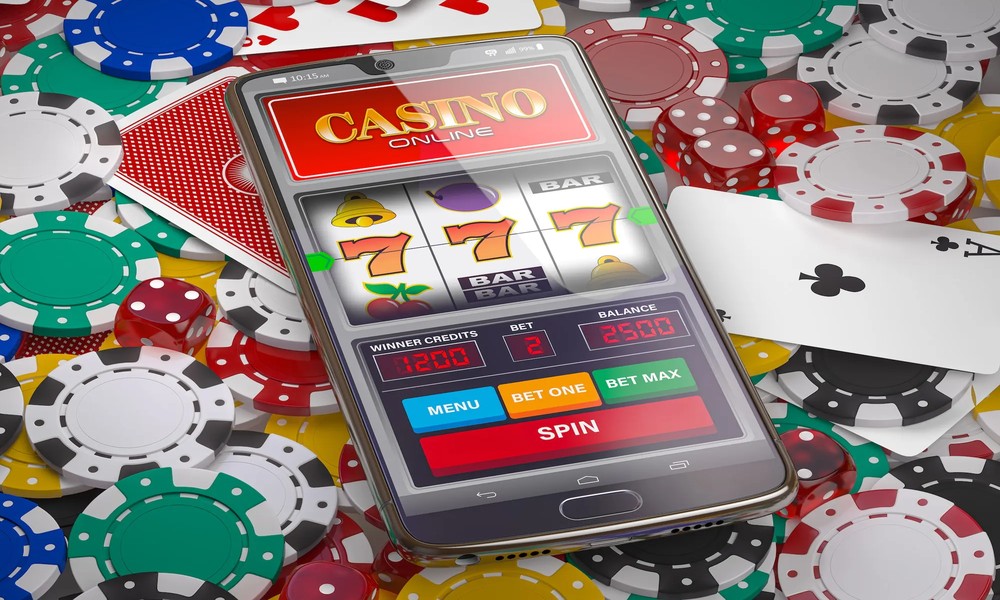
Blockchain transaction speeds and server latencies influence gameplay experiences in ways players notice subconsciously, even when unaware of technical causes. Connection timing determines how responsive interfaces feel during rapid betting sequences. Network performance shapes overall satisfaction through accumulated micro-delays that compound throughout sessions. Understanding these timing relationships helps explain why identical games feel different under varying network conditions.
Stablecoin dice gameplay depends on coordinated communication between player devices, game servers, and blockchain networks. https://crypto.games/dice/tether sessions involve multiple network layers where timing variations at any point affect perceived responsiveness. Players rarely attribute experience quality to network factors, yet timing fundamentally shapes engagement satisfaction regardless of outcome distributions or payout rates.
Server response latency
The distance between players and game servers creates baseline delays that affect every interaction. Click actions must travel to servers, process, and then return results to devices. This round-trip communication requires time proportional to physical separation and network infrastructure quality between endpoints.
Players geographically near server locations experience faster responses than distant users. The difference measures in tens to hundreds of milliseconds, yet creates perceptible responsiveness variations. Nearby players enjoy snappy, immediate-feeling interactions, while remote users encounter slight lags that accumulate annoyance through repetition across many bets.
- Geographic proximity reduces communication delays.
- Network routing efficiency varies by location
- Infrastructure quality differs across regions
- Peak usage times congest communication pathways
- Connection types introduce varying latency baselines
The latency becomes most noticeable during rapid consecutive betting, where players place multiple wagers per minute. Each bet incurs the full round-trip delay, creating rhythm disruptions when intervals extend beyond comfortable waiting thresholds. Fast bettors particularly suffer from elevated latency that slower-paced players barely notice.
Blockchain confirmation timing
Tether transactions settle on underlying blockchain networks requiring validator processing. The settlement happens asynchronously behind gameplay displays, creating gaps between shown balance updates and actual blockchain finality. Most players never encounter these gaps during active betting focused on continuous play.
Withdrawal attempts expose blockchain timing realities masked during gameplay. Funds showing as available balances require network confirmations before becoming transferable to external wallets. The revelation surprises players who interpreted instant gameplay updates as complete transaction settlements. Understanding this architecture prevents frustration when withdrawals take longer than anticipated. Different blockchains hosting tether variants exhibit distinct confirmation speeds. Ethereum-based USDT requires roughly 12-second block intervals, while Tron versions confirm faster. The underlying network choice affects how quickly large transactions achieve finality suitable for secure withdrawals.
Visual feedback synchronisation
Interface elements update based on server data transmission timing. Balance displays, outcome indicators, and game state visuals all depend on receiving fresh information from servers. Network delays slow this data flow, creating outdated displays that lag behind actual game states. The synchronisation gaps rarely impact casual players but frustrate those monitoring balances closely during rapid play. Numbers might briefly show stale values before jumping to current amounts when delayed updates arrive. The visual inconsistency creates confusion about the exact timing of balance changes relative to bet placements.
Modern implementations use optimistic updating to mask network delays. Interfaces display expected outcomes immediately based on local calculations, then verify against server responses arriving later. This approach maintains smooth experiences when network timing remains reasonable, but creates discrepancies during elevated latency periods.
Session sustainability variations
Network timing affects how long sessions remain enjoyable.
- Low-latency connections sustain engagement through extended periods by maintaining responsive interactions.
- High-latency situations accumulate frustration that shortens tolerance before players quit, dissatisfied.
The timing sensitivity varies by betting pace. Rapid bettors demand minimal delays to maintain momentum, while contemplative players tolerate higher latency without degraded experiences. Platform architecture choices regarding optimistic displays versus verified updates further modulate how network timing translates into perceived performance.