
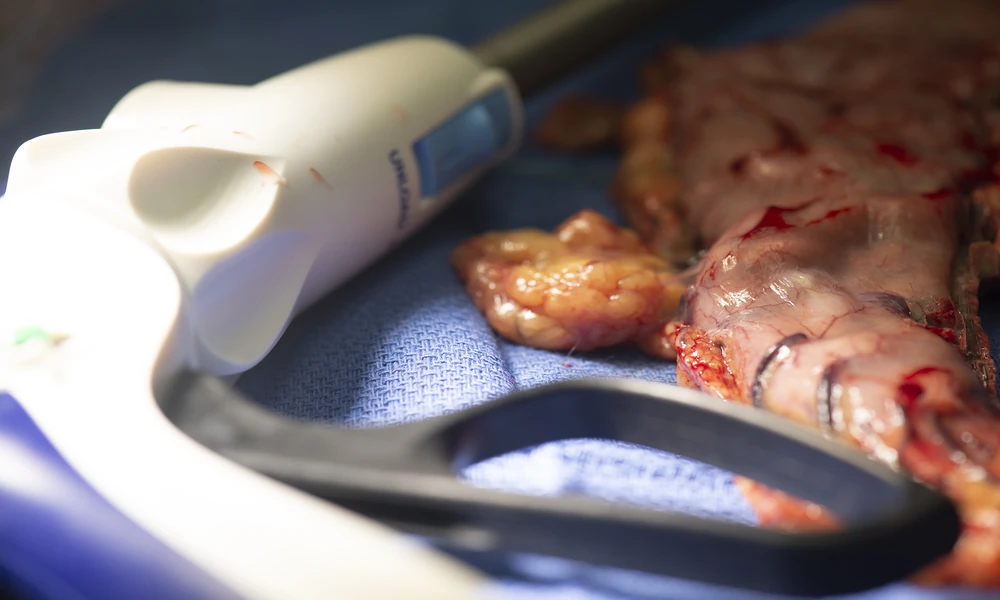
Gastric sleeve surgery, also known as vertical sleeve gastrectomy (VSG), is one of the most widely performed bariatric procedures for individuals seeking significant, long-term weight loss. Rather than being a quick fix, it is a structured, medically supervised option designed to modify how the body processes food and regulates hunger. In this blog, we’ll explain how gastric sleeve surgery works, who it is most likely to benefit, and what patients can expect before and after the procedure.
Understanding Obesity and When Surgery is Considered
Obesity is a chronic medical condition linked to heart disease, type 2 diabetes, high blood pressure, sleep apnea, and joint problems. For many individuals, diet and exercise alone are not sufficient to achieve or maintain a healthy weight, particularly when excess weight has been present for an extended period.
Weight loss surgery is considered when obesity begins to significantly impact daily life, mobility, or overall health. Among the available bariatric procedures, gastric sleeve surgery is often preferred because it delivers effective weight loss results without the complexity of intestinal rerouting.
What is Gastric Sleeve Surgery?
Gastric sleeve surgery permanently reduces the size of the stomach. During the procedure, approximately 70-80% of the stomach is removed, leaving behind a narrow, tube-like “sleeve” that resembles a banana. Because the stomach is significantly smaller, it fills more quickly, helping patients feel full sooner and eat smaller portions at each meal.
The surgery is typically performed laparoscopically using small incisions and a camera-guided system. This minimally invasive approach generally results in less postoperative pain, smaller scars, and a faster recovery compared to traditional open surgery.
Unlike gastric bypass surgery, gastric sleeve does not involve rerouting the intestines, which many patients find appealing. It also differs from gastric banding, which uses an adjustable band around the stomach rather than removing a portion of it.
How Gastric Sleeve Surgery Works
The process begins with a comprehensive bariatric evaluation, which typically includes consultations with a surgeon, dietitian, and sometimes a mental health professional. Once medically cleared, the surgery is usually scheduled within a few weeks.
During the procedure, the patient is placed under general anesthesia. The surgeon removes the larger, curved portion of the stomach and staples the remaining section into a tube-like shape. The operation typically takes about one hour, and most patients remain in the hospital for one night before being discharged.
After surgery, the body undergoes several key changes:
- Reduced stomach capacity limits how much food can be consumed at one time.
- Lower production of ghrelin, the “hunger hormone,” helps reduce appetite and cravings.
- Gradual but sustained weight loss typically follows, with many patients losing 50% or more of their excess body weight within three years, especially when post-surgery guidelines are followed.
Who is an Ideal Candidate for the Gastric Sleeve Surgery?
Gastric sleeve surgery is not suitable for everyone. It is recommended for individuals who meet specific medical criteria and are prepared to commit to long-term lifestyle changes.
Typical candidates include:
- Individuals with a body mass index (BMI) of 40 or higher, or those who are more than approximately 100 pounds overweight
- Individuals with a BMI of 35 or higher who also have obesity-related conditions such as type 2 diabetes, high blood pressure, sleep apnea, heart disease, or severe joint problems
- Individuals who have not achieved or maintained significant weight loss through diet, exercise, or medically supervised programs
Equally important is psychological and behavioral readiness. For candidates seeking to determine their eligibility for gastric sleeve surgery in Dallas, Fort Worth, Mansfield, or Plano, TX, it is advisable to consult with an experienced bariatric surgeon. They can assess your suitability for the procedure based on your medical records and overall preparedness.
Benefits of Gastric Sleeve Surgery
Gastric sleeve surgery offers several important benefits, making it a widely chosen bariatric procedure. After the procedure, patients may experience:
- Significant and sustained weight loss, particularly within the first 6-12 months, with continued improvement over the following years
- Improvement or resolution of several obesity-related conditions, including high blood pressure, type 2 diabetes, and obstructive sleep apnea
- No intestinal rerouting, which preserves normal digestive pathways and may reduce certain long-term nutritional complications compared to gastric bypass
- Shorter hospital stay and faster recovery compared to many traditional bariatric procedures, due to the laparoscopic approach
Because the procedure is minimally invasive and does not involve an external device such as an adjustable gastric band, it avoids device-related maintenance and is often considered a straightforward surgical option among bariatric procedures.
Risks and Important Considerations
Like any major surgery, gastric sleeve surgery carries certain risks. These may include:
- Surgical risks such as infection, bleeding, blood clots, or leaks from the staple line
- Potential nutritional deficiencies if patients do not follow recommended post-surgery vitamin and supplement regimens
- The need for lifelong changes in eating habits, portion sizes, and physical activity
However, these risks are significantly reduced when the procedure is performed by an experienced bariatric team and when patients closely follow all pre- and post-operative care instructions. Comprehensive education and ongoing medical support also play an important role in achieving safe and successful outcomes.
Recovery and Life After Surgery
Recovery from gastric sleeve surgery is generally smoother and faster than many patients expect. Most patients are discharged within 24 hours and can return to light activities within one to two weeks, depending on their job requirements and overall health.
Dietary progression typically follows a structured plan:
- Liquid and pureed foods during the initial weeks
- Gradual transition to soft foods
- Return to mostly solid foods by around six weeks, with an emphasis on high-protein, low-sugar, and low-fat portions
Physical activity is encouraged as soon as it is safe, beginning with short walks and gradually increasing in intensity over time. Combined with proper nutrition and adherence to medical guidance, this approach supports sustained weight loss and improved long-term health outcomes.
Long‑Term Expectations and Lifestyle Commitment
Gastric sleeve surgery is not a one-time event; it is a tool that is most effective when combined with long-term behavioral and lifestyle changes. While many patients lose a significant portion of their excess weight, maintaining those results requires continued adherence to medical guidance, supplementation, and healthy daily habits. Long-term success is highest when patients:
- Attend regular follow-up appointments and recommended blood tests
- Work with dietitians and support programs to refine and maintain healthy eating patterns
- Incorporate regular physical activity and consistent self-care into their daily routines
Taking the Next Step
Gastric sleeve surgery can be an effective tool for long-term weight loss, but success depends on realistic expectations and a consistent commitment to lifestyle changes. A well-structured bariatric approach ensures proper medical evaluation, clear understanding of the procedure and its outcomes, and ongoing support to help patients adapt after surgery.
If you are exploring your options in Dallas, Fort Worth, Mansfield, or Plano, TX, consulting an experienced gastric sleeve surgeon, like Dr. Sachin Kukreja at DFW Bariatrics and General Surgery, can help you better understand the benefits, risks, and suitability of the procedure. With professional guidance, you can make a well-informed decision aligned with your weight loss and health goals.