
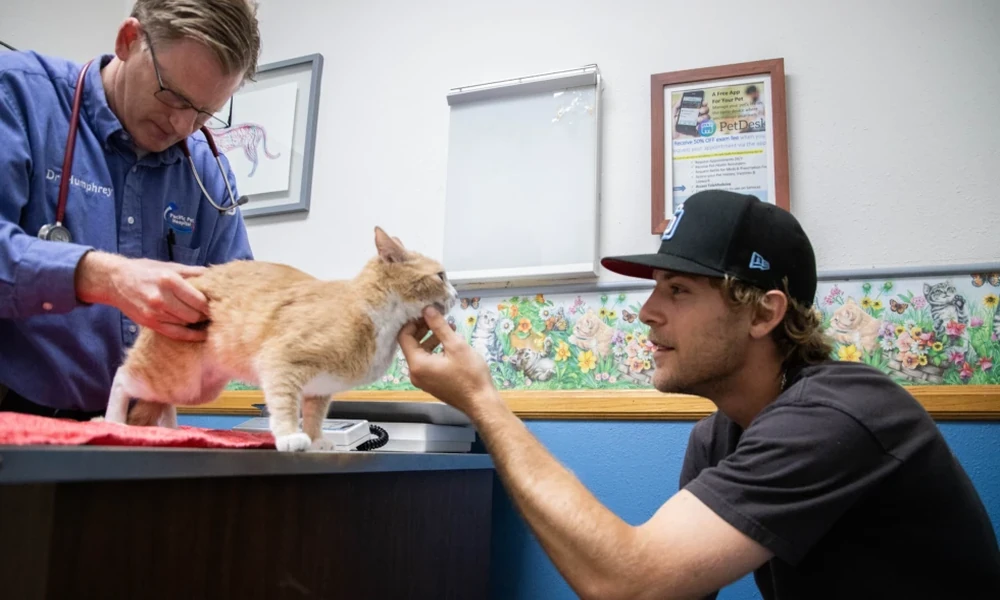
You hand over the leash, answer a few quick questions, and try to read the room. Is your pet being heard? Are you? Most pet owners know this feeling. You want clear answers, fair costs, and a team that treats your animal like a living family member, not a time slot on a schedule. At Bartlett animal hospital, trust starts there, in the first few minutes, and it grows or breaks with every next step.
That is why how animal hospitals build trust with pet owners matters so much. Good medicine matters, of course, but trust is what helps you say yes to a treatment plan, ask the question you were embarrassed to ask, or come back when your pet is not getting better. The best hospitals earn that trust through clear communication, respect, consistency, and follow-through.
Trust in veterinary care starts with communication that feels clear and respectful
A pet owner usually does not walk into an animal hospital calm and detached. You may be worried about pain, scared about cost, or carrying guilt because you did not come in sooner. If the staff sounds rushed, uses medical jargon, or brushes past your concerns, the stress gets worse fast. You stop listening. You wonder what is being left unsaid.
Strong hospitals train for this. Communication is not treated like a soft extra. It is part of care. Programs such as Washington State University’s clinical communication training show why veterinary teams practice how to explain options, discuss uncertainty, and respond to emotion. That work shows up in simple ways. A doctor sits down instead of standing over you. A technician repeats back what you noticed at home. Someone tells you what happens next and how long it should take.
This is where trust in veterinary care becomes real. You do not need perfect news. You need honest news, delivered in a way you can understand.
Transparency around cost and choices helps pet owners feel respected
Money is one of the fastest ways trust can crack. A vague estimate, a surprise charge, or pressure to approve care on the spot can leave you feeling cornered. Even when the medicine is sound, the experience can feel wrong.
Hospitals that build trust do a few things well. They explain the difference between urgent treatment and optional diagnostics. They tell you what each test is for. They give written estimates before moving forward when possible. If there are two reasonable paths, they say so clearly.
That matters because pet owners are often making hard choices under stress. What if your dog needs imaging, bloodwork, and pain control, but you can only approve part of the plan today? A trustworthy team does not shame you. They help you understand the risks of waiting, the benefits of acting now, and the safest order of priorities.
Respect also includes your role in the relationship. UC Davis outlines both sides in its client rights and responsibilities guide. Pet owners have a right to clear information, and they also carry responsibilities like sharing accurate history and following discharge instructions. Trust works best when both sides know what to expect.
Consistency and follow-through shape confidence in an animal hospital
Anyone can sound caring for five minutes. Trust grows when the care stays steady after the exam. The discharge notes match what the doctor said. The medication instructions make sense. The hospital calls with lab results when they said they would. If your cat reacts badly to a new medication, someone calls you back the same day.
This is where many pet owners decide whether a hospital feels dependable. Not every case ends with a cure. Pets have chronic disease, age-related decline, and sudden emergencies that do not follow a neat plan. A reliable animal hospital does not disappear when things get messy. It explains changes, updates the plan, and keeps you included.
pet owner trust in animal hospitals often comes from these small moments. Names are remembered. Concerns are documented. Questions are welcomed instead of rushed aside. Over time, that consistency lowers fear because you know what kind of care your pet will receive.
Common trust builders and trust breakers in animal hospitals
| Experience | Builds Trust | Breaks Trust |
|---|---|---|
| First visit | Warm greeting, clear intake questions, realistic wait time | Cold handoff, no explanation, unexplained delays |
| Treatment plan | Written estimate, plain language, options explained | Jargon, pressure, surprise costs |
| During testing | Updates on timing and purpose of diagnostics | Silence for hours, unclear next steps |
| Discharge | Simple home care instructions, warning signs reviewed | Confusing notes, rushed checkout |
| Aftercare | Prompt callbacks, lab follow-up, medication support | No response, inconsistent advice |
Pet owners can take practical steps to judge trust before a crisis hits
Ask for the care plan in plain language. You are not being difficult. You are making sure you understand what your pet needs, what can wait, and what the likely costs are. If a hospital communicates well when things are calm, it is more likely to communicate well when things are not.
Pay attention to how the team handles emotion. Watch what happens when you say you are worried about anesthesia, cost, or quality of life. A trustworthy veterinary hospital does not get defensive. It answers directly, acknowledges the stress, and keeps the conversation open.
Look for follow-through, not just friendliness. Kind words matter, but systems matter too. Notice whether records are accurate, calls are returned, and instructions are consistent. In pet care, reliability is trust made visible.
Trust turns medical care into a working partnership
The best animal hospital is not simply the one with the most equipment or the shortest appointment list. It is the one that helps you feel informed, respected, and included when your pet needs care most. That kind of trust does not remove the hard parts, but it does make the path clearer and less lonely.
If you are choosing an animal hospital, pay attention to communication, transparency, and follow-through. Those are the signs that a hospital is ready to care for both your pet and your peace of mind.