
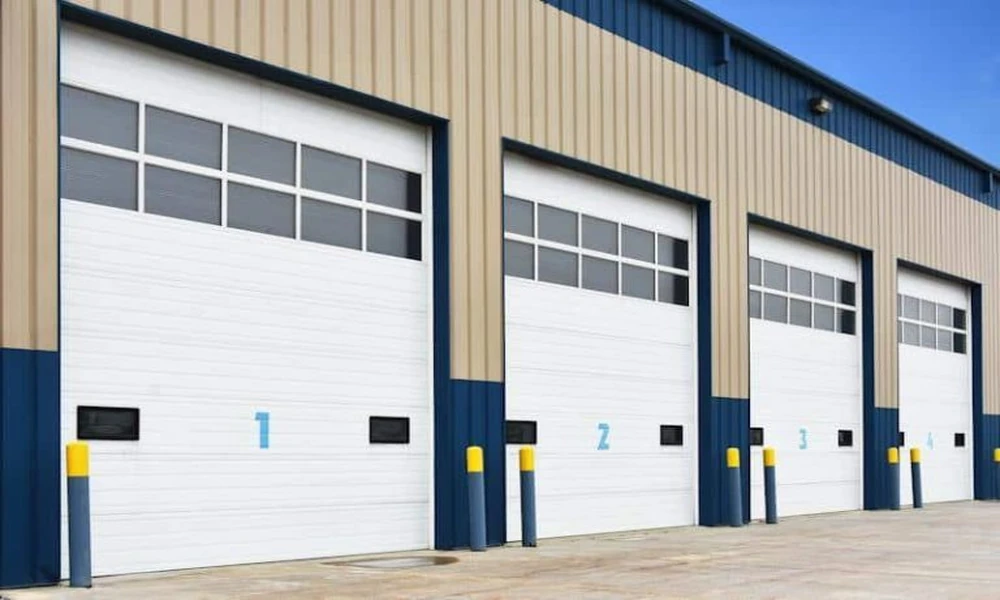
Few things are more unnerving than the sudden snap of a heavy garage door or the grinding halt of a faulty loading dock. What seems like a straightforward piece of equipment can quickly become a hazard if overlooked. Neglecting systematic safety inspections leaves property, productivity, and, most importantly, people at risk.
Why Regular Safety Inspections Are Essential for Garage Doors and Loading Docks
Many dangers associated with garage doors and loading docks lurk beneath the surface. Springs weaken, cables fray, sensors misalign, and moving parts gather grit. While these issues develop quietly, their consequences can be immediate and severe.
Regular safety inspections are the frontline defense against these silent threats. By identifying problems early, inspections serve not just as a maintenance routine but as a critical intervention preventing both costly repairs and tragic accidents. In industrial and commercial settings, a single malfunction can halt operations, damage shipments, or cause injuries that trigger legal and reputational fallout.
Myth 1: “Garage Doors and Loading Docks Don’t Need Frequent Inspections”
Some believe that these systems, built for durability, can go years without attention. The reality is very different. Even with normal use, wear and tear is inevitable. Springs lose tension, rollers misalign, and seals degrade, all of which can lead to sudden failures.
Case histories provide sobering reminders. A distribution center in Quebec saw operations grind to a halt when a dock leveler collapsed due to a corroded hinge, an issue missed during years without inspection. The financial loss far outweighed what scheduled inspections would have cost.
Myth 2: “Only Commercial Doors Require Safety Checks”
Homeowners sometimes assume professional maintenance is only for business and industrial settings. This is a risky misconception. Residential garage doors can pack considerable force, and a single snapped cable or broken automatic opener can result in serious injury.
While there are differences in standards, commercial doors must adhere to stricter codes and often handle more frequent use, residential doors require regular attention too. The underlying mechanics are similar, and failure on either front can pose real danger.
Myth 3: “Visual Checks Are Enough to Ensure Safety”
A quick glance at cables and panels might seem sufficient, but deeper issues are rarely visible. True safety inspections call for technical and functional testing. Pros will check the balance of the door, test auto-reverse sensors, and inspect tension in the springs. Specialized tools, like torque testers and laser alignment sensors, uncover vulnerabilities that the eye can’t detect.
Myth 4: “Inspections Are Too Expensive and Time-Consuming”
Some put off inspections because they fear the process will eat into profits or disrupt daily routines. In fact, regular inspections almost always save money in the long run. Replacing a few worn components costs far less than repairing major failures or paying injury claims.
Efficient service providers streamline the process, minimizing downtime and often offering flexible scheduling to fit around business needs. A proactive inspection is a small investment for peace of mind.
Myth 5: “If the Door Opens and Closes, It’s Safe”
Operational doors may still hide critical faults. Internal fraying, microfractures in tracks, or sensor drift can go unnoticed until they cause sudden problems. Malfunctions may start subtly, an odd noise, a slower response, or uneven movement, but escalate quickly.
Be alert for warning signs, such as sagging panels, jerky motions, or delays. These hints often precede larger mechanical breakdowns.
What a Comprehensive Safety Inspection Includes
A thorough inspection covers more than just a visual sweep. Technicians will examine springs, cables, rollers, hinges, and mounting hardware. For loading docks, they’ll assess dock levelers, bumpers, weather seals, and control systems. Functional tests confirm that safety mechanisms like auto-reverse, emergency stop, and locking systems work as intended.
Professionals often bring specialized tools, such as force gauges for testing automatic openers and digital sensors that measure alignment. This approach ensures nothing is left to chance.
Choosing the Right Professional Inspection Service
Not all inspection services operate at the same standard. Look for technicians with recognized certifications, a solid track record, and up-to-date training on the latest regulations and equipment. Ask about their inspection process, turnaround times, and emergency support.
It’s wise to consult reputable providers such as Door Doctor, who offer comprehensive care across residential, commercial, and industrial settings. Their expertise helps ensure safety and compliance, no matter your environment.
Best Practices After Inspection: Maintenance and Repairs
Once an inspection is complete, don’t let the report gather dust. Address urgent issues immediately, and schedule regular maintenance for non-critical findings. Lubricate moving parts, replace worn weather seals, and keep sensors clean.
Proactive care extends the lifespan of doors and docks, wards off expensive repairs, and keeps everyone safer. Attention now prevents disruption later, a small effort for a major return.