
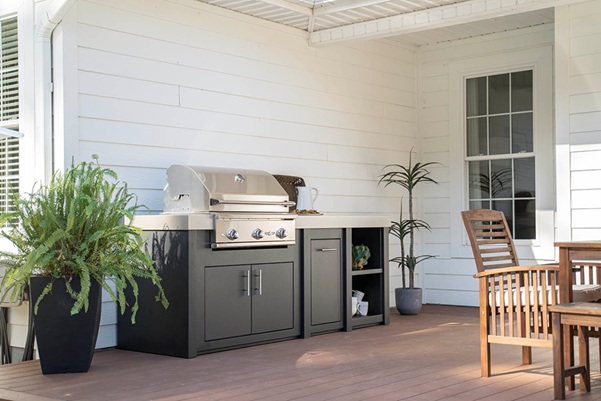
Outdoor living has matured. It is no longer about copying a showroom look or building something just for summer weekends. In 2026, outdoor kitchens are being designed for real life. Messy afternoons. Quiet evenings. The kind of space you drift into without thinking too much about it.
People want outdoor areas that feel familiar. Comfortable. Almost inevitable.
Less Show, More Living
There is a noticeable shift away from over-designed setups. Homeowners are choosing layouts that support everyday use rather than big reveals.
What is being prioritised now:
- Comfortable circulation, not tight cooking zones
- Softer lighting that works after sunset
- Surfaces that don’t panic when they get scratched or stained.
If a space feels too precious, it usually does not last.
Tech That Stays in the Background
Technology is still part of outdoor design, but it is quieter. Smarter. Nobody wants to feel like they are operating equipment instead of cooking dinner.
Popular choices tend to include:
- Built-in lighting that adjusts naturally
- Reliable grills without complicated controls
- Heating options that feel subtle, not industrial.
The best tech does not announce itself. It just works.
Sustainability Without the Lecture
Eco-conscious design is now more about longevity than labels. Materials are chosen because they age well, not because they sound impressive on paper.
You will see more:
- Stone and finishes that weather naturally
- Cabinetry built to stay put for years
- Fewer replacements, fewer regrets.
A bit of wear is expected. Even welcomed.
Flexible Layouts That Grow Over Time
Rigid designs are losing favour. People want layouts that can change as their needs change, which is why modular outdoor kitchens are gaining attention.
They allow homeowners to:
- Expand gradually instead of all at once
- Adjust cooking and seating zones later
- Keep movement open and uncluttered.
It feels calmer. And strangely reassuring.
Real Products for Real Gardens
Retail platforms are starting to reflect these priorities. Outdoor kitchen collections are being presented as lifestyle investments, not impulse upgrades. On pages like those from BBQs2u, ranges such as Whistler Cirencester outdoor kitchens are positioned around comfort, usability, and long-term layout flow rather than quick visual impact.
That framing matters more than it seems.
Product Review: Quietly Well Thought Out
In everyday use, these kitchens feel grounded. The materials don’t try to steal attention. The layouts make sense without explanation. You can tell they are designed for people who cook outdoors regularly, not just for photos.
What stands out is restraint. Nothing feels added just to fill space. Over time, the kitchen blends into the garden, and that is probably the highest compliment you can give an outdoor setup.
The Importance of Small, Practical Details
By 2026, it is often the smallest features that homeowners appreciate most. Storage that opens easily. Clear walkways. No awkward corners.
Practical elements like the Whistler Cirencester gas bottle cabinet matter because they reduce friction. You don’t think about them until you realise how annoying life would be without them.
And that is the point.
Calm Is the Real Upgrade
The strongest trend of all is emotional, not visual. Homeowners want outdoor kitchens that feel settled, used, and belonging.