
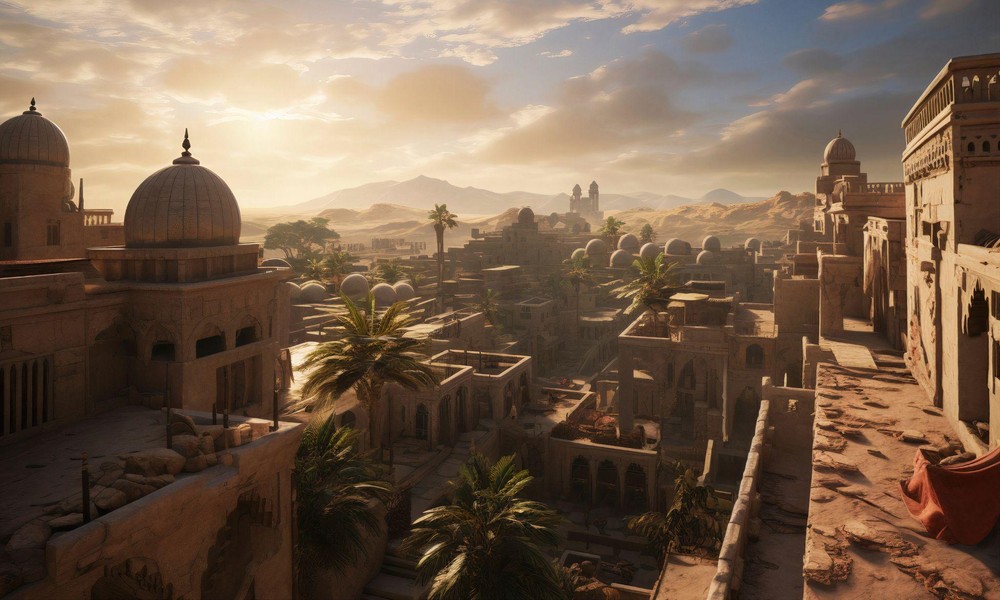
Before the glass towers and golden skylines, there was the Creek – a narrow ribbon of water where Dubai first found its rhythm. This was once a humble trading post, its air filled with the scent of spice and salt, where merchants from Persia, India, and Africa met to barter, build, and dream. Today, amid the modern skyline, Old Dubai remains the city’s beating heart – quieter, slower, but just as alive.
For travelers, this is the side of Dubai that moves differently. The Creek divides the city yet connects its soul – linking Deira’s busy markets to Bur Dubai’s old neighborhoods. Abras (wooden boats) still glide across the water, carrying commuters and visitors as they have for generations. Those exploring through all-inclusive vacations in Dubai often find this part of the city to be its most authentic – where the old world hums beneath the new. For travelers seeking more than luxury, a vacation package to Dubai can include these cultural detours: winding souks, fragrant spice markets, and hidden cafés along the waterfront.
A tailored vacation package to Dubai balances the city’s grandeur with its gentler stories – pairing modern comfort with historical charm. Some journeys, subtly designed by travel experts like Travelodeal, lead beyond the skyscrapers into the shaded alleys and courtyards where the real Dubai still whispers. It’s not about escaping the future; it’s about understanding how the past continues to shape it.
The Beating Heart: Dubai Creek
Dubai Creek isn’t just a body of water – it’s a timeline. Standing on its banks, you can almost see the city’s transformation. Abras drift from shore to shore, fishermen mend their nets, and the smell of cardamom and sea air fills the morning. Before the skyscrapers rose, this was Dubai’s lifeline – its trade route, harbor, and community all in one.
Cross the Creek at sunrise, and the scene feels timeless. The water glows bronze, and the city wakes slowly, like a memory coming back to life.
Souks and Stories
Step away from the river, and you enter another world. The Gold Souk glitters like a labyrinth of sunlight, while the Spice Souk explodes with color and scent – cinnamon, saffron, rose petals, and clove. Shopkeepers greet visitors with stories as old as the trade routes themselves.
Here, shopping becomes something more human. The act of buying feels like a conversation, not a transaction. Time slows; the senses lead.
The Al Fahidi District: Echoes of the Past
Across the Creek, the Al Fahidi Historical District offers a glimpse of the Dubai that once was – a maze of narrow alleys, sand-colored walls, and wind towers built to capture desert breezes. The architecture tells stories of resilience and ingenuity, proof that luxury wasn’t always about excess.
Today, art galleries, small museums, and cafés fill these quiet spaces. The Coffee Museum, with its earthy aromas and wooden benches, celebrates hospitality as a cornerstone of culture. At the Sheikh Mohammed Centre for Cultural Understanding, shared meals become bridges between traditions.
Evenings in Al Fahidi are poetic – the glow of lanterns, the hush of footsteps, the faint hum of prayer drifting through the air.
The Soul Beneath the Skyline
Old Dubai isn’t a contrast to the city’s modern face – it’s its foundation. The Creek taught Dubai how to trade; the souks taught it how to connect. These neighborhoods remind visitors that progress didn’t erase history – it grew from it.
Every archway, every dhow, every call to prayer carries the rhythm of a city still in conversation with its past.
Final Thought
To wander Old Dubai is to trace the city’s heartbeat – from the ripple of the Creek to the glow of gold and the scent of spice in the air. It’s a reminder that beneath the steel and sparkle lies something deeply human: a culture built on movement, memory, and meaning.
The future may tower above, but the soul of Dubai still flows quietly along the Creek – steady, shimmering, and eternal.